
Sözün iki sahili: jurnalistika-yazıçılıq, tədqiqatçılıq - Ayətxan Ziyadın (İsgəndərov) 75 yaşına

Zülfiyyə Vəliyeva, Əməkdar müəllim,
Azərbaycan Jurnalistlər Birliyinin üzvü
İnsan ömrü təqvim vərəqlərinin sadə ardıcıllığı deyil, o, təqvimin içinə sığdırılan mənanın, ruhun, əməyin miqyasıdır. Azərbaycan ədəbi-ictimai fikrində, publisistikasında və tədqiqatçılıq sahəsində özünəməxsus koordinatları olan yazıçı-jurnalist, tədqiqatçı Ayətxan Ziyadın (İsgəndərov) ömrü bu məna ucalığının nümunəsidir.
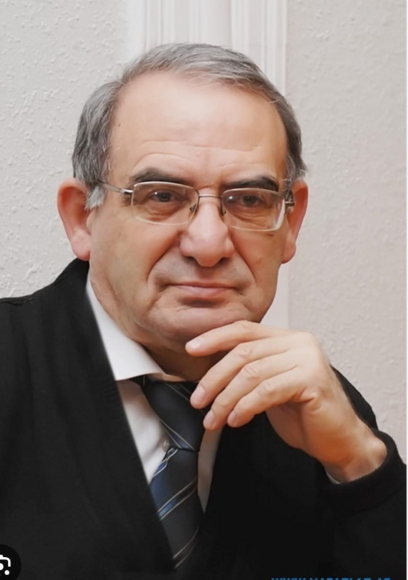
Hər bir böyük yaradıcılığın arxasında güclü bir başlanğıc və sarsılmaz bir bünövrə dayanır.
İlk iki məqaləsi 1969-cu ilin avqustunda Əlibayramlı (indi Şirvan) şəhər partiya komitəsinin orqanı olan “İşıq” qəzetində dərc olunmaqla bu yola cığır açıb.
O ilk addım 1969-cu ildə Azərbaycan Dövlət Universitetinin (indiki BDU-nun) Jurnalistika fakültəsinin dəhlizlərindən, tələbəlik illəri də daxil olmaqla 1970–1994-cü illərdə Azərbaycan Dövlət radiosunun mikrofonlarından, 1994–2007-ci illərdə müxtəlif fərqli qəzet və jurnal redaksiyalarından, 2007-2026-cı illərdə ADPU-dan keçərək bu günə - 30-a yaxın kitabın cildinə qədər uzandı. Bu illər ərzində A.Ziyad sözü heç vaxt uzaqlarda axtarmadı; o, sözü öz daxili təmkinində, ruhunun bir az çılğın, bir az sakit, “lal” müdrikliyində tapdı, sözün gücünü bu üç sahədə kəşf etdi, publisistikası – vicdanının səsi, poeziyası – ruhunun qidası, tədqiqatçı yaradıcılığı – düşüncəsinin işığı oldu. Söz onun varlığının mənasına çevrildi. Oxucu Ayətxan Ziyadı onun yazdıqlarından tanıdı, qəbul etdi.
Ayətxan İsgəndərov – Ayətxan Ziyad zirvəsinə sözlə gəldi.
A.Ziyad sözlə dayanıqlıq tapıb, sözlə yaşayır bu gün bu zirvədə.
Sözün ömrü insan ömründən uzundur. Söz insan ömrü ilə birləşib Ayətxan Ziyad imzası doğulub.
Yaradıcılığının 57-ci ilinin müdriklik yaşında ömrün 75-ci zirvəsinə ucalan qələm sahibinin keçdiyi yol, təkcə bir fərdin bioqrafiyası deyil, həm də yarım əsrdən artıq zamanın A.Ziyad tərəfindən yaradılan söz salnaməsidir.
***
Həyat - saniyələrin səssiz axını, ömür - bu axının içində öz ruhuna ləleyk yolçunun hekayətidir. Elə yolçular var, çoxundan fərqli olaraq, zamanı saat əqrəbləri ilə yox, ağ vərəqlərin üzərinə düzülən muncuq misralarla, salğarlı-çəkili cümlələrlə, ruhun ağrıları ilə ölçür. Bu yolu gün-gün addımladıqca zamanı kiçildir, sözü böyüdür bu qism yolçular...
***
Dünyada hər şey öz sahibini axtarır. Evlər - insanları, yollar - yolçuları, ağ vərəqlər mürəkkəbi və onun sahibini. Bu sıralanmada ən çətin tapılan sözün sahibidir. Çünki söz sıradan bir səs deyil; o, insanın içindəki sükutun səsə çevrilmiş formasıdır.
Hər açılan sabah – insanın içində daşıdığı ümiddə doğulur; insan məhz o ümidlə hər başlayan yeni günü özü üçün yaradıcılıq aktına çevirir və öz dünyasını yenidən var edir. Yaradıcı adam ömrü boyu sözün ağırlığını ürəyində, çiyinlərində daşıyan bir fədaidir.
İnsan yaşlandıqca təqvimlərə deyil, yaddaşın küncündə qalan mürəkkəb ləkələrinə baxır. Çünki yazılan hər cümlə əslində zamanın əlindən qoparılmış bir saniyədir. Yaradıcı adam zamanı saatla deyil, vərəqlərin saralması ilə ölçür.
Bəs yaradıcı adam kimdir?
O, hamının gördüyü dünyada yaşayıb, amma hamının hiss etmədiyi ağrıları kağıza köçürən sərrafdır. A.Ziyadın Ankara nəşrləri, xüsusən 640 səhifəlik "Qara, məxmər gecələrim" adlı ədəbi-bədii əsərlər toplusu bu sərraflığın mükəmməl nümunəsidir.
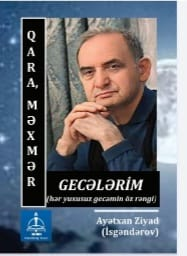
Müəllifin bəhs etdiyi gecələr sadəcə astronomik bir zaman kəsiyi deyil. "Hər yuxusuz gecəmin öz rəngi” var deyən yazıçı, əslində insan talelərinin rənglərindən bəhs edir. O gecələrin məxmərliyi həm də yazıçının “dilinin” yumşaqlığından, hadisələrə pafosla deyil, sakit bir kədərlə yanaşmasından irəli gəlir. Səs-küylü dünyada sakitcə pıçıldayan nəsr hər zaman daha dərindən eşidilir.
Onun "Ömrüm bir yaşıl yarpaq, rəngləri mənimkidi" kitabı da bu fəlsəfənin davamıdır. İnsan ömrünü bir yarpağa bənzətmək qədim bir təşbeh olsa da, o yarpağın rənglərini özününküləşdirmək tamamilə fərqli bir yaradıcılıq cəsarəti tələb edir. Ayətxan müəllim yaradıcılığında heç vaxt başqasının rəngini borc almadı. O, öz payızını da, öz baharını da öz qələminin rəngi ilə çəkdi. Digər yazarların və ədəbi saytların onun haqqında müntəzəm yazması, bu rənglərin orijinallığına və təmizliyinə olan hörmətdir.
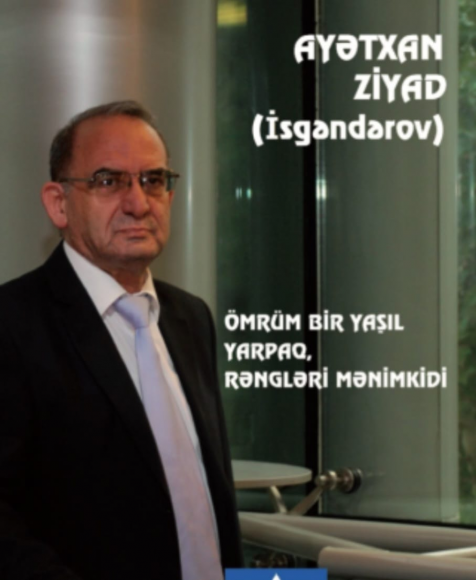
Həyat bəzən bir ağacın budağından qopan yarpağın yerə düşmə müddəti qədər qısadır. Amma o yarpağın üzərindəki damarlar kimi, yazıçının da vərəqə köçürdüyü cümlələr ömrün əbədi xəritəsini cızır. Söz sahibini tapanda yarpaq da ölümsüzləşir.
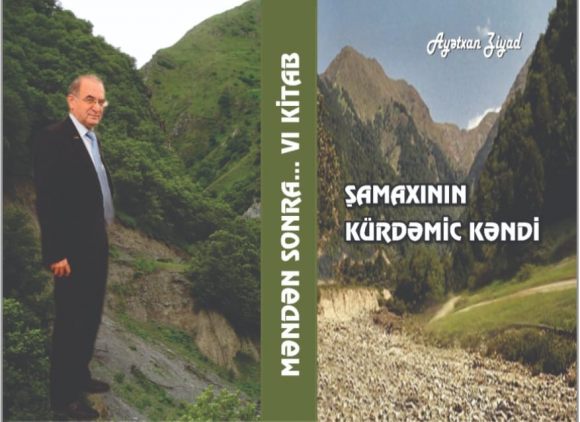
Lakin yaradıcı adam təkcə xəyal və duyğu dünyasında yaşamır. O, həm də mənsub olduğu xalqın, millətin, tarixin qarşısında məsuliyyət daşıyır. A.Ziyadın Ümummilli Lider Heydər Əliyev irsinə həsr etdiyi, həm Azərbaycanda, həm də Türkiyədə nəşr olunmuş dərs vəsaiti (“Azərbaycan ədəbiyyatının, mədəniyyətinin ... dövlətinin hamisi”), “Heydər Əliyev – xalqının, dövlətinin qürur ünvanı” və “Heydər Əliyev şəxsiyyəti ədəbi-tənqid müstəvisində” monoqrafiyaları onun tədqiqatçı təfəkkürünün təmkinli xarakterini göstərir. Bununla belə, onun tədqiqatçılıq bacarığı təkcə bu böyük siyasi tarixlə bitmir, doğma torpağın yaddaş qatlarına qədər enir. Tam 5 il 6 ay boyunca hər bir sənədin, hər bir xatirənin izinə düşərək ərsəyə gətirdiyi nəhəng "Şamaxının Kürdəmic kəndi" və “Qarabağda və Şərqi Zəngəzurda Ermənistanın ekosid, urbisid və kultursid siyasəti” tarixi araşdırmaları, sadəcə bir kəndin, yaxud obanın salnaməsi deyil, bütöv bir bölgənin mənəvi, coğrafi və tarixi kimlik vəsiqəsidir. Bu, zamanın tozunu udmaqdan qorxmayan bir yazarın öz dünəninə verdiyi ən dürüst hesabatdır.
 Müəllifin 2007–2014-cü illərdə Azərbaycan Dövlət Pedaqoji Universitetinin (ADPU) "Gənc müəllim" qəzetinin baş redaktoru kimi fəaliyyəti, onun həm də gənc nəslin bədii-estetik zövqünün formalaşmasındakı rolunu göstərir. Redaktorluq sənəti başqasının sözünə hörmətdən başlayır və Ayətxan müəllim bu illər ərzində yüzlərlə gənc qələm sahibinə yol göstərdi. Bu zamanın söz incilərinin müəyyən qismi müəllifin “ADPU-da qalan izim” məqalələr toplusunda cəmlənib.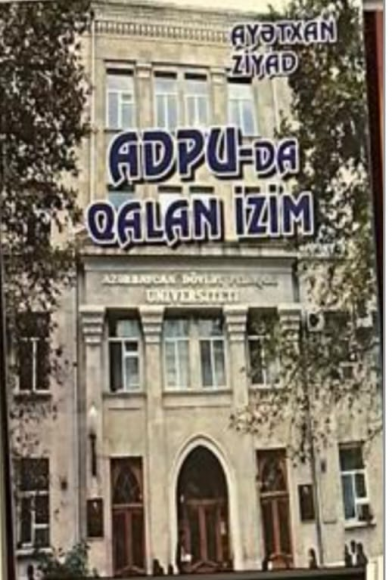
Onun sözə olan ehtiramı sonradan - ADPU-nun Elmi-Tədqiqat Mərkəzində (ETM elmi işçi olaraq çalışdığı 2014-cü ildən 11 fevral 2026-cı illərdəki dövrdə fundamental bir mərhələyə keçdi. Təqribən 10 ilə qədər zamanı əhatə edən bu müddətdə qələmə aldıqlarının müəyyən qismi “Dədə Qorqud” ünvanında sözüm” elmi məqalələr toplusunda və beynəlxalq elmi konfranslara təqdim etmiş olduğu 100-dən çox elmi məqalənin orijinal variantının daxil edildiyi “Yazdım ki, izim qalsin” iki cildliyində yer alıb.
Söz həm də bir güzgüdür. O güzgüyə təmiz qəlblə baxmayanın yazısı yarımçıq qalır. Yaradıcı adamın ən böyük qələbəsi 57 il boyunca o güzgünü ləkəsiz saxlaya bilməsidir.
Ədəbiyyatın ən çətin, həm də ən məsuliyyətli qolu, şübhəsiz ki, tənqiddir. Çünki tənqidçi başqasının yaradıcılıq ağrısına tərəzi qoyan adamdır. Müəllifin fərqli dövrlərdə qəzetlərdə çap olunmuş kəskin və obyektiv tənqidi məqalələrini bir araya gətirən, 4 fəsildən və 560 səhifədən ibarət “İmza, dilsiz-ağızsız” kitabı bu sərraflığın mükəmməl göstəricisidir. Kitabın adı sanki yazıçının bütün ədəbi duruşunu xülasə edir: İMZA özlüyündə DİLSİZ-AĞIZSIZ ola bilər, amma o imzanın arxasında dayanan həqiqət, sətirlərin daxili gücü bəzən ən gur səslərdən daha uca haray çəkir. Dörd fəslin hər birində fərqli ədəbi nəsillərin, fərqli janrların daxili qatlarına enən müəllif, tənqidi quru bir mühakiməyə çevirmir; o, ədəbiyyatın daxili təmizliyini qorumaq üçün dilsiz-ağızsız imzaların adından danışır. Onun tənqidi hər zaman yol göstərən, sözün dəyərini aşağı salmayan ustad nəzakətinə əsaslanıb.
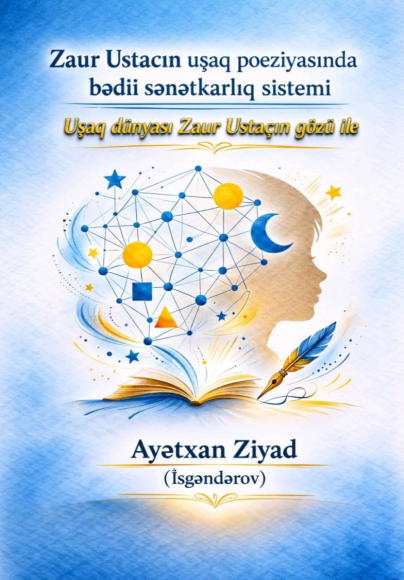
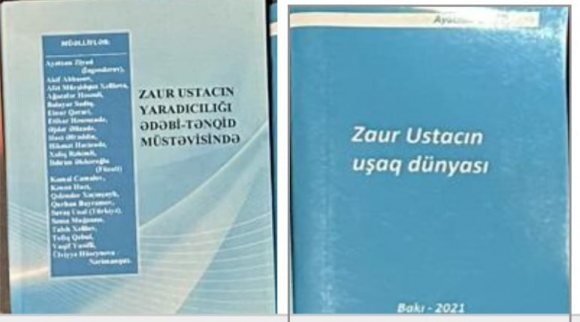 Uşaq ədəbiyyatına, bu sahənin klassik və müasir inkişaf yollarına yönələn diqqət isə A.Ziyad yaradıcılığının ən zərif tərəfidir. Azərbaycan uşaq ədəbiyyatının sütunlarından olan Zahid Xəlilin və müasir uşaq poeziyasının fəal simalarından Zaur Ustacın sənətkarlıq sistemini, bədii dil mexanizmlərini tədqiq edən “Zahid Xəlil yaradıcılığının nəzəri-poetik sistemi: konseptual çərçivə və metodoloji yanaşma” və “Zaur Ustacın uşaq poeziyasında bədii sənətkarlıq sistemi, yaxud “Uşaq dünyası Zaur Ustacın gözü ilə”, eləcə də “Elmi mübahisələr: mülahizələr, qənaətlər”, həmçinin öz əsərlərinin təhlilinə həsr etmiş olduğu “Sözün çoxqatlı yaddaşı və Ayətxan Ziyad yaradıcılığının poetik-fəlsəfi arxeologiyası” (və digər) ciddi elmi monoqrafiyaları onun sadəcə bir tədqiqatçı olmadığını, həm də ədəbiyyatın gələcək genofondunu qoruyan bir sahib olduğunu sübut edir.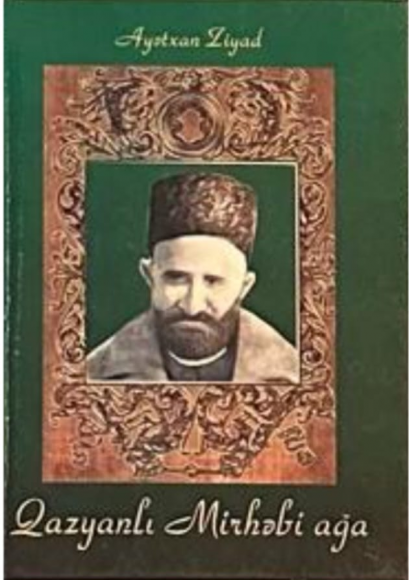
Həqiqi imza sahibi özündən bəhs etməz, yazdıqları onun əvəzinə pıçıldayar. Çünki çox danışılan yerdə sözün enerjisi buxarlanır, kağızın üzərində isə o enerji əbədi donur.
Ədəbi saytlarda və “Yazarlar” jurnalında müntəzəm olaraq Ayətxan Ziyad imzasının oxunması, başqa müəlliflərin onun yaradıcılığına qayıtması məhz bu sükutun enerjisidir. O, heç vaxt özünü təbliğ etmək iddiasında olmadı. Yazı masası onun üçün həm sığınacaq, həm də dünyanı müşahidə etmək üçün ən uca nöqtə idi. Jurnalist kimi ictimai nəbzi tutmaq, yazıçı kimi insan daxilinə enmək, tədqiqatçı kimi arxivlərin tozunu udmaq - bu üç xətt onun 57 illik ömür yolunun vahid oxunu təşkil edir.
30-a yaxın kitabın hər biri bir yuxusuzluq aktıdır. Bəzən bir cümlənin, hətta sözün yerini tapmaq üçün günlərlə tərəddüd keçirən yazıçı yaxşı bilir ki, oxucu mətndəki daxili təmkinə və səmimiyyətə inanmalıdır. Ankara nəşrlərindən tutmuş Bakıdakı monoqrafiyalara, o sanballı ikicildliyə və nəhayət, “İmza, dilsiz-ağızsız”ın 4 fəslinə qədər uzanan coğrafiya isə sadəcə kitabların paylanma şəbəkəsi deyil, ruhun sərhədsizliyidir.
75 yaş səs-küylü hesabatların nöqtəsi deyil. O, sadəcə olaraq çoxillik bir cümlənin ortasında qoyulan rəvan bir vergüldür. Yazı davam edir, çünki sözün bitdiyi yer ömrün də bitdiyi yerdir.
Korun-korun közərib yazı masasının üzərinə düşən gözyorucu işıq heç də yalnız qalaqlanmış vərəqləri deyil, 57 il əvvəl Şirvandan başlayan o sərhəd bilməyən çılğın həvəsin bu gün müdrikliyə çevrilmiş rənglərini işıqlandırır. İki cildlik elmi məqalələr toplusu ilə "Yazdım ki, izim qalsın" kəlmələrini dilə gətirən müəllifin izi artıq zamanın səthinə dərin şırımlarla həkk olunub. Söz öz sahibini çoxdan tapıb, sahib isə sözün təmkinli hüzurunda sakitcə öz yolunu davam etdirir.
***
“Öyrənməyi dayandıran, kimliyindən asılı olmayaraq, qocadır, istər 20 yaşında olsun, istər səksən. Öyrənməyə davam edən isə daim gənc qalır. Həyatda ən gözəl nəsnələrdən biri zehni gənc saxlamaqdır”, - deyib müriklər.
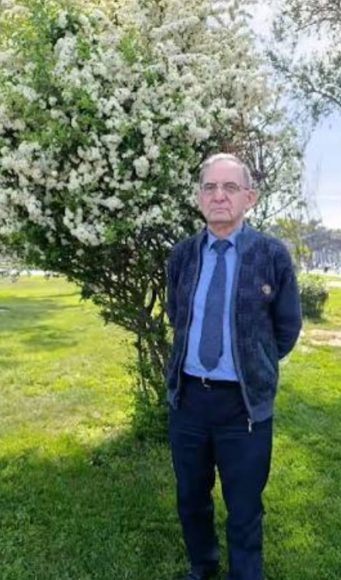
75 yaş zirvədir. Bu zirvədə qərar tutmaq həm məsuliyyətdir, həm də şərəf. Ayətxan Ziyad bu zirvəyə sözlə gəlib, sözlə dayanıqlıq tapıb bu zirvədə, sözlə yaşayır bu ucalıqda.
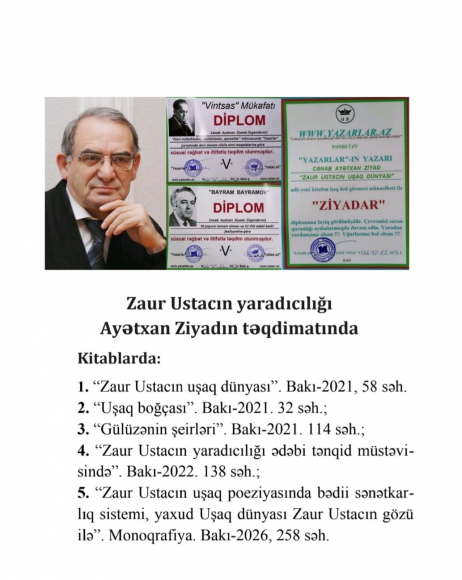
On the 75th Anniversary of Ayatxan Ziyad (Isgandarov)
Two Shores of the Word: Journalism–Writing and Research
A human life is not merely a simple sequence of calendar pages; it is the scale of meaning, spirit, and labor contained within those pages. The life of the writer-journalist and researcher Ayatxan Ziyad (Isgandarov), who has his own distinctive coordinates in Azerbaijani literary and social thought, journalism, and research, is an example of this elevation of meaning.
Every great creative journey stands upon a powerful beginning and an unshakable foundation.
His first two articles opened the path when they were published in August 1969 in “Işıq,” the newspaper of the Elibayramlı (now Shirvan) City Party Committee.
That first step, beginning in 1969 in the corridors of the Faculty of Journalism of Azerbaijan State University (now Baku State University), extending through his student years, including 1970–1994 through the microphones of Azerbaijan State Radio, 1994–2007 through various newspaper and magazine editorial offices, and 2007–2026 through Azerbaijan State Pedagogical University, has now grown into nearly 30 book volumes. Throughout these years, A. Ziyad never searched for the word somewhere far away; he found it in his inner composure, in the slightly restless, slightly calm, “silent” wisdom of his soul. He discovered the power of the word in three fields: his journalism became the voice of his conscience, his poetry the nourishment of his soul, and his research the light of his thought. The word became the meaning of his existence. Readers came to know and accept Ayatxan Ziyad through what he wrote.
Ayatxan Isgandarov came to the summit of Ayatxan Ziyad through the word.
A. Ziyad found strength through the word and lives through the word at this summit today.
The life of the word is longer than human life. The word joined with human life, and the signature of Ayatxan Ziyad was born.
At the age of wisdom, in the 57th year of his creative journey, the author who has reached the 75th summit of his life has traversed a path that is not merely the biography of an individual, but also a chronicle of words created by A. Ziyad over more than half a century.
Life is the silent flow of seconds, while a lifetime is the story of a traveler journeying toward his own soul within that flow. There are travelers who, unlike most, measure time not by the hands of a clock, but by bead-like lines arranged on white pages, by weighty and dignified sentences, and by the pains of the soul. As these travelers walk this road day by day, they make time smaller and the word greater...
Everything in the world searches for its owner. Houses search for people, roads for travelers, and white pages for ink and its owner. In this sequence, the most difficult to find is the owner of the word. Because a word is not an ordinary sound; it is the form in which the silence within a person is transformed into sound.
Every dawn that opens is born from the hope a person carries within; it is precisely through that hope that a person turns each new day into an act of creation and recreates his own world.
A creative person is a devotee who carries the weight of the word in his heart and on his shoulders throughout his life.
As people grow older, they look not at calendars but at the ink stains left in the corners of memory. Because every sentence written is, in essence, a second torn from the hands of time. A creative person measures time not by the clock, but by the yellowing of pages.
But who is a creative person? He is an assayer who lives in the world everyone sees, yet transfers to paper the pains that not everyone feels. A. Ziyad’s Ankara publications, particularly the 640-page collection of literary and artistic works entitled “My Black, Velvet Nights,” are a perfect example of this discernment. The nights described by the author are not merely an astronomical segment of time. When the writer says, “Every sleepless night of mine has its own color,” he is actually speaking about the colors of human destinies. The velvet quality of those nights also arises from the softness of the writer’s “language,” and from his approach to events not with pathos, but with quiet sorrow. In a noisy world, prose that whispers quietly is always heard more deeply.
His book “My Life Is a Green Leaf, Its Colors Belong to Me” continues this philosophy. Comparing human life to a leaf is an ancient metaphor, but making the colors of that leaf one’s own requires an entirely different creative courage. In his writing, Ayatxan müəllim never borrowed someone else’s color. He painted both his autumn and his spring with the color of his own pen. The regular publication of writings about him by other writers and literary websites is a tribute to the originality and purity of these colors.
Life is sometimes as short as the time it takes a leaf torn from a tree branch to fall to the ground. Yet, like the veins on that leaf, the sentences transferred by a writer onto paper draw the eternal map of life. When the word finds its owner, the leaf too becomes immortal.
Yet a creative person does not live solely in a world of imagination and feeling. He also bears responsibility before his people, his nation, and history. A. Ziyad’s study guide devoted to the legacy of National Leader Heydar Aliyev and published both in Azerbaijan and Turkey (“The Patron of Azerbaijani Literature, Culture and ... State”), as well as his monographs “Heydar Aliyev – The Pride of His People and State” and “The Personality of Heydar Aliyev in the Literary-Critical Dimension,” demonstrate the measured nature of his researcher’s thinking. Nevertheless, his research abilities do not end with this great political history; they descend into the layers of memory of his native land. His monumental historical studies “The Village of Kurdəmir in Shamakhi” and “Armenia’s Policy of Ecocide, Urbicide and Cultural Genocide in Karabakh and Eastern Zangazur,” which he brought to completion by following the trail of every document and every memory for a full five years and six months, are not merely chronicles of a village or settlement, but certificates of the spiritual, geographical, and historical identity of an entire region. This is the most honest account a writer who is unafraid to breathe in the dust of time has given to his own yesterday.
The author’s activity as editor-in-chief of the “Young Teacher” newspaper of Azerbaijan State Pedagogical University (ADPU) from 2007 to 2014 also demonstrates his role in shaping the artistic and aesthetic taste of the younger generation. The art of editing begins with respect for another person’s word, and Ayatxan müəllim guided hundreds of young writers during these years. A certain portion of the literary gems of that period has been collected in the author’s compilation of articles “The Trace I Left at ADPU.”
His respect for the word later entered a fundamental stage during his work as a research fellow at the Scientific Research Center (SRC) of ADPU from 2014 to February 11, 2026. During this period, spanning nearly ten years, some of what he wrote was included in the collection of scientific articles “My Word at the Address of Dada Gorgud” and in the two-volume “I Wrote So That My Trace Would Remain,” which contains the original versions of more than 100 scientific articles he presented at international scientific conferences.
The word is also a mirror. The writing of one who cannot look into that mirror with a pure heart remains incomplete. The greatest victory of a creative person is to have kept that mirror spotless for 57 years.
The most difficult and responsible branch of literature is undoubtedly criticism. Because a critic is one who places the creative pain of another person on the scales. The book “Signature, Without Tongue or Mouth,” consisting of four chapters and 560 pages and bringing together the author’s sharp and objective critical articles published in newspapers at different times, is a perfect indicator of this discernment. The title of the book seems to summarize the writer’s entire literary stance: a SIGNATURE may in itself be WITHOUT TONGUE OR MOUTH, but the truth behind that signature and the inner strength of its lines can sometimes cry out more loudly than the most powerful voices. In each of the four chapters, the author descends into the inner layers of different literary generations and genres, yet does not turn criticism into dry judgment; he speaks on behalf of voiceless and speechless signatures in order to preserve the inner purity of literature. His criticism has always been grounded in the master’s courtesy that guides the way without diminishing the value of the word.
His attention to children’s literature and to the classical and contemporary paths of its development is one of the most delicate aspects of A. Ziyad’s creative work. His serious scholarly monographs—“The Theoretical-Poetic System of Zahid Khalil’s Creativity: A Conceptual Framework and Methodological Approach” and “The System of Artistic Craftsmanship in Zaur Ustac’s Children’s Poetry, or The World of Children Through Zaur Ustac’s Eyes,” which study the artistic systems and mechanisms of literary language of Zahid Khalil, one of the pillars of Azerbaijani children’s literature, and Zaur Ustac, an active figure in contemporary children’s poetry; “Scientific Debates: Reflections and Conclusions”; and “The Multilayered Memory of the Word and the Poetic-Philosophical Archaeology of Ayatxan Ziyad’s Creative Work,” devoted to the analysis of his own works, among others—prove that he is not merely a researcher, but also a guardian of the future gene pool of literature.
A true owner of a signature does not speak about himself; what he writes whispers in his place. Because where there is too much talk, the energy of the word evaporates, whereas on paper that energy freezes forever.
The regular appearance of the Ayatxan Ziyad signature on literary websites and in the “Writers” journal, and the return of other authors to his creative work, are precisely the energy of this silence. He never claimed to promote himself. For him, the writing desk was both a refuge and the highest point from which to observe the world. As a journalist, he captured the pulse of society; as a writer, he descended into the human interior; as a researcher, he breathed in the dust of archives. These three lines form the unified axis of his 57-year life journey.
Each of nearly 30 books is an act of sleeplessness. The writer, who sometimes hesitated for days to find the right place for a sentence or even a word, knows well that the reader must believe in the inner composure and sincerity of the text. The geography extending from the Ankara publications to the monographs in Baku, the substantial two-volume work, and finally the four chapters of “Signature, Without Tongue or Mouth” is not merely a distribution network for books; it is the boundlessness of the soul.
The age of 75 is not the endpoint of noisy reports. It is simply a smooth comma placed in the middle of a long-standing sentence. The writing continues, because the place where the word ends is also the place where life ends.
The dim, glowing light falling upon the writing desk illuminates not only the piles of pages, but also the colors of that boundless, passionate enthusiasm that began in Shirvan 57 years ago and has today transformed into wisdom. With the two-volume collection of scientific articles and the words “I Wrote So That My Trace Would Remain,” the author’s trace has already been deeply engraved upon the surface of time. The word found its owner long ago, and the owner quietly continues his journey in the composed presence of the word.
“Whoever stops learning is old, regardless of who they are, whether they are twenty or eighty. The one who continues learning remains young forever. One of the most beautiful things in life is to keep the mind young,” the sages have said.
Seventy-five is a summit. To stand upon this summit is both a responsibility and an honor. Ayatxan Ziyad has reached this summit through the word, found strength there through the word, and lives in this elevation through the word.
Zulfiyya Valiyeva, Honored Teacher,
Member of the Azerbaijan Journalists Union
Tarix: 15-08-2026, 20:42
Xəbəri paylaş